Fujifilm X-A1
Compact mirrorless camera · 16.3 MP APS-C · 2013
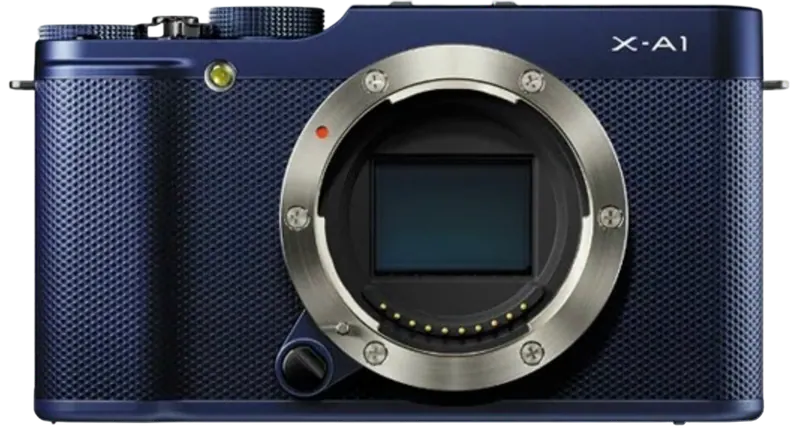
Short answer
The Fujifilm X-A1 is a compact mirrorless camera released in October 2013 at a US launch price of $599. It has a 16.3 MP APS-C CMOS with Bayer filter sensor. The same sensor and processor are in the X-A2. There is no in-body stabilization.
It weighs 330 g and measures 116.9 × 66.5 × 39.0 mm. The body is not weather sealed. It records to one SD card slot. It shoots video at 1080/30p. There is no built-in viewfinder; you frame on the rear screen.
The rear screen is a 3.0-inch tilting LCD with 920K dots. Native sensitivity runs ISO 200–6400, extended to 100–25600. Continuous shooting reaches 5.6 fps.
Fujifilm no longer makes it.
X-A1 specifications
- Released
- October 2013
- Launch price
- $599
- Sensor
- 16.3 MP APS-C
- In-body stabilisation
- No
- Weight
- 330 g
- Film simulations
- 10
Specifications
- Sensor
- 16.3 MP CMOS with Bayer filter
- Sensor format
- APS-C, 23.6 × 15.6 mm
- ISO range
- ISO 200–6400 (100–25600 extended)
- Burst
- 5.6 fps
- Video
- 1080/30p
- Viewfinder
- None — rear screen only
- Screen
- 3.0-inch tilting LCD, 920K dots
- Lens mount
- Fujifilm X
- Card slots
- 1× SD
- Weather sealed
- No
- Dimensions
- 116.9 × 66.5 × 39.0 mm
Dimensions
- 116.9 mm wide
- 66.5 mm tall
- 39 mm deep
Film simulations on the X-A1
It has 10 of the 20 film simulations. It lacks REALA ACE, Nostalgic Neg., ETERNA Bleach Bypass, Classic Negative, ETERNA / Cinema, and 5 more.










camera.lensesFor
The X-A1 takes X mount lenses, and the catalog lists 92 of them. 40 are Fujifilm’s own and 52 come from other brands, mostly Viltrox, 7Artisans, and Sigma. Focal lengths run from 8 mm to 600 mm, and the fastest opens at f/0.9. 69 are primes and 23 are zooms.
camera.used
Fujifilm no longer sells the X-A1 new. It arrived in October 2013, so what is on sale now is second hand. Its launch price was $599, the only official figure it ever had.
Compare with
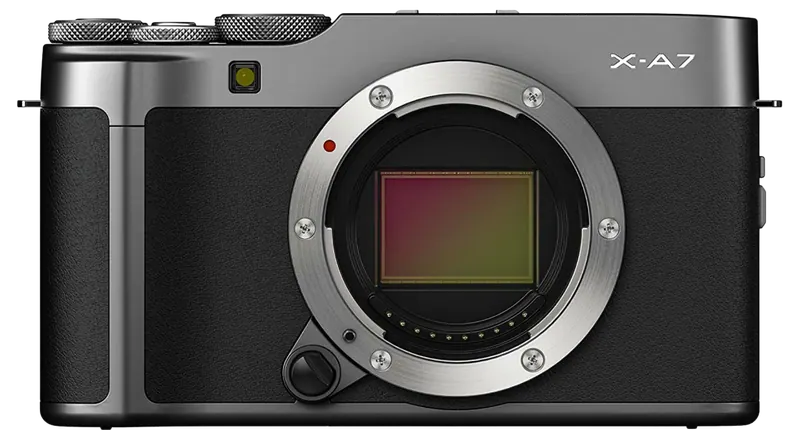
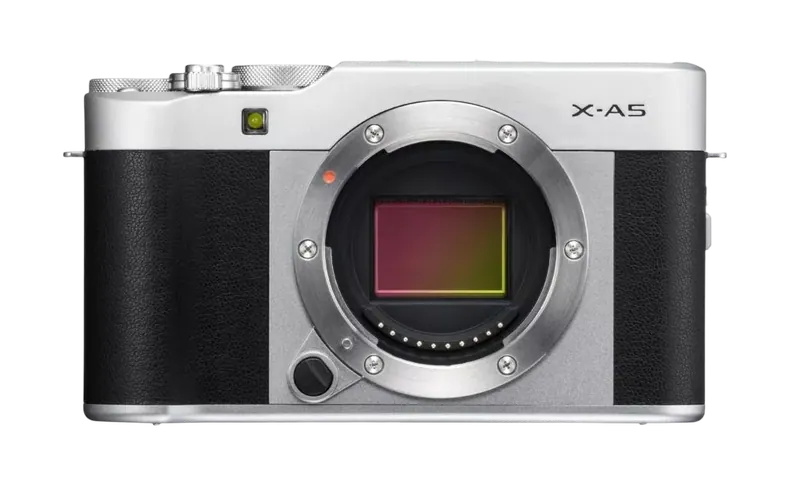
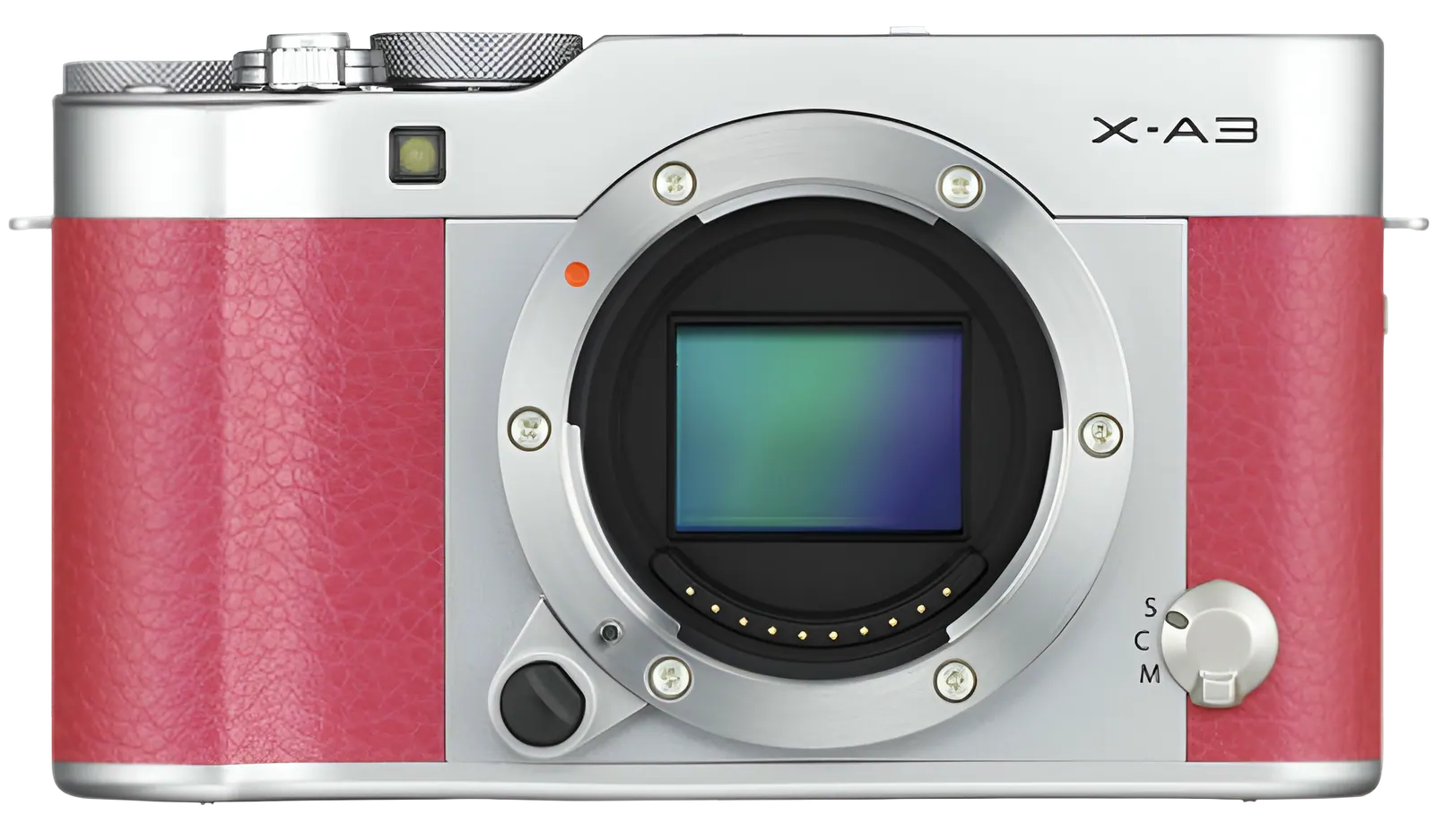
Other X-A cameras
Common questions
When was the Fujifilm X-A1 released?
Fujifilm released it in October 2013 at a US launch price of $599.
Does the X-A1 have in-body stabilization?
No. Stabilization depends on the lens, if the one you mount has it.
How many film simulations does the X-A1 have?
It has 10 of the 20 film simulations. It lacks REALA ACE, Nostalgic Neg., ETERNA Bleach Bypass, Classic Negative, ETERNA / Cinema, and 5 more.
How much does the X-A1 weigh?
330 g with battery and card, and it measures 116.9 × 66.5 × 39.0 mm.
Is the X-A1 weather sealed?
No, the body is not sealed.
Which lenses fit the X-A1?
The X-A1 takes X mount lenses, and the catalog lists 92 of them. 40 are Fujifilm’s own and 52 come from other brands, mostly Viltrox, 7Artisans, and Sigma.
Is the X-A1 still sold new?
No, Fujifilm has discontinued it.
Owner reviews
No reviews yet. Be the first to write one.
Last updated August 27, 2026